

Introduction
Nukleotidy may sound like a hard science word, but they are actually part of everyday life. Every breath you take, every step you walk, and every thought you think depends on them. These tiny molecules sit inside every cell and quietly keep your body running.
They build DNA and RNA, store genetic instructions, and provide the energy your body uses all day. Without nukleotidy, life would simply not exist.
This guide explains nukleotidy in the easiest way possible. You will learn what they are, how they work, where to get them from food, and why they matter for health, medicine, and the future.
What Are Nukleotidy?
Simple Meaning Anyone Can Understand
Nukleotidy are small molecules that act like building blocks of life. Imagine letters in the alphabet. Letters form words, and words form sentences. In the same way, nukleotidy form DNA and RNA, which hold the instructions for your body.
They help your body:
- Grow and repair
- Create energy
- Build proteins
- Protect immunity
Every living thing depends on them, from plants to humans.
Nukleotidy vs Nucleotides
Both words mean the same thing. “Nukleotidy” is simply another language version of “nucleotides.” The science is identical.
The Structure of Nukleotidy
Each nukleotid has three simple parts:
| Part | Role |
| Sugar | Forms the backbone |
| Phosphate | Links molecules together |
| Base | Holds the genetic code |
Think of them like Lego pieces that snap together to build long chains.
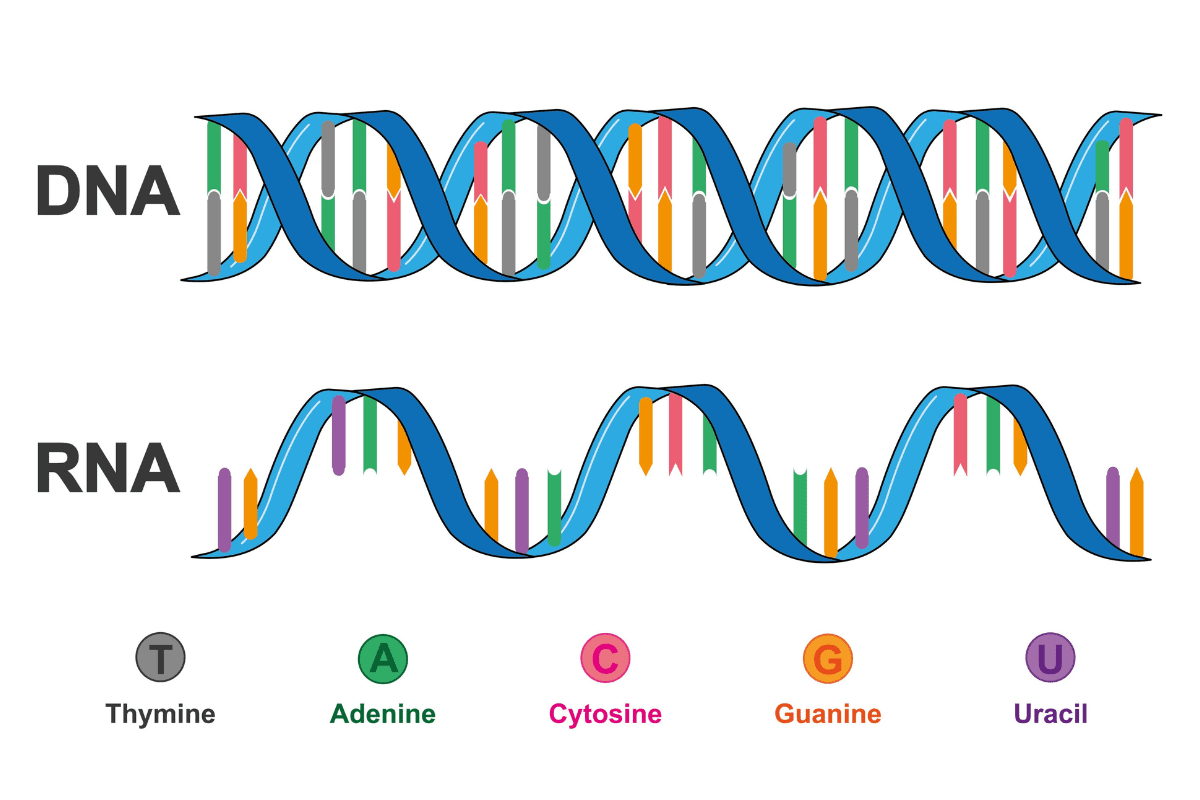
The Five Important Bases
There are five main bases that store genetic information:
- Adenine (A)
- Thymine (T)
- Cytosine (C)
- Guanine (G)
- Uracil (U)
DNA uses A, T, C, G
RNA uses A, U, C, G
These bases pair in a special way that keeps genetic information safe.
How Nukleotidy Build DNA and RNA
DNA: The Storage System
DNA stores your full genetic blueprint. It tells your body:
- Eye color
- Height
- Hair type
- How organs work
DNA looks like a twisted ladder called a double helix.
RNA: The Messenger
RNA acts like a worker that reads DNA instructions and turns them into action. It helps build proteins and keeps cells alive.
Types of Nukleotidy and Their Roles
1. DNA Nukleotidy
These keep your genetic code safe and pass traits from parents to children.
2. RNA Nukleotidy
They help build proteins and carry messages inside cells.
3. Energy Nukleotidy
The most famous one is ATP.
ATP works like a battery for your body.
It powers:
- Muscle movement
- Brain activity
- Heartbeat
- Digestion
Without ATP, your body would shut down in seconds.
4. Signaling Nukleotidy
Some nucleotides act like messengers. They help cells talk to each other and react to hormones.
Why Nukleotidy Matter for Your Body
Genetic Information Storage
They keep your DNA safe and help copy it when cells divide.
Energy Production
ATP releases energy whenever your body needs it.
Immune System Support
Your immune cells grow and multiply faster with enough nucleotides.
Tissue Repair
When you get injured, your body needs nukleotidy to rebuild cells.
Growth and Development
Children, athletes, and recovering patients need more nucleotides than average.
Nukleotidy and Daily Energy
Your body is always using energy. Even while sleeping, your heart and brain need power.
ATP releases energy by breaking tiny phosphate bonds. This energy fuels:
- Movement
- Thinking
- Breathing
- Healing
That is why nukleotidy are often called the energy currency of life.
Natural Food Sources of Nukleotidy
Your body can make nucleotides, but food helps a lot.
Animal Sources
Richest sources include:
- Liver
- Fish
- Chicken
- Eggs
- Milk
- Seafood
These foods contain many living cells, so they provide ready-made nucleotides.
Plant Sources
Plant foods also help:
- Lentils
- Beans
- Soy
- Mushrooms
- Whole grains
A balanced diet gives the best results.
Who Needs More Nukleotidy?
Some people need extra support:
- Babies and children (fast growth)
- Athletes (heavy training)
- Elderly people (slow repair)
- People recovering from illness
- Surgery patients
During stress or sickness, the body uses nucleotides faster.
Nukleotidy Supplements
Possible Benefits
Supplements may help:
- Gut health
- Immune strength
- Faster recovery
- Athletic performance
They are often used in infant formula and medical nutrition.
Safety Tips
They are usually safe, but people with:
- Kidney problems
- Gout
- High uric acid
should speak with a doctor first.
Food sources are always the best first choice.
Medical Uses of Nukleotidy
Genetic Testing and Research
Scientists use nucleotides to study diseases and understand genes.
Antiviral Medicines
Some drugs stop viruses by blocking nucleotide use.
Cancer Treatments
Certain therapies stop cancer cells from using nucleotides to grow.
Gut Healing
They help repair the intestinal lining and support digestion.
Infant Nutrition
Many formulas include nucleotides to support growth and immunity.
Future of Nukleotidy in Science
DNA Data Storage
Scientists are exploring DNA as a way to store digital data. DNA can hold massive amounts of information in a tiny space.
Personalized Medicine
Doctors can study DNA to create treatments tailored to each person.
Cancer Vaccines
New vaccines may use modified nucleotides to train the immune system.
Synthetic Biology
Researchers are designing helpful microbes using nucleotide technology.
The future of medicine strongly depends on these molecules.
How to Add More Nukleotidy to Your Diet
Simple Meal Ideas
- Eggs with mushrooms
- Fish with lentils
- Chicken with brown rice
- Yogurt with whole grains
Easy Tips
- Eat balanced meals
- Include protein daily
- Choose whole foods
- Avoid extreme diets
Consistency matters more than perfection.
Conclusion
Nukleotidy are small but powerful. They build DNA, fuel energy, support immunity, and help your body grow and heal. Every cell depends on them every second.
Understanding nucleotides helps you appreciate how your body works and why nutrition matters. As science moves forward, these molecules will shape the future of medicine, technology, and health.
By eating well and caring for your body, you support the tiny building blocks that support your life.
FAQs:
1. What are nukleotidy?
They are molecules that build DNA, RNA, and ATP.
2. Why are nukleotidy important?
They provide energy, store genetic information, and support immunity.
3. Which foods contain nucleotides?
Fish, eggs, meat, lentils, beans, mushrooms, and whole grains.
4. Do nucleotides boost energy?
Yes, ATP releases energy used by every cell.
5. Are supplements safe?
Usually yes, but medical advice is recommended for certain conditions.
Quick Information Table
| Topic | Key Point |
| Main role | Build DNA and RNA |
| Energy molecule | ATP |
| Body functions | Growth, repair, immunity |
| Food sources | Fish, eggs, lentils, grains |
| Medical uses | Vaccines, antivirals, research |
| Future potential | DNA data storage, personalized medicine |