

Introduction
A mood board is a powerful way to collect ideas, colors, and inspiration in one place so you can clearly see your creative direction. Whether you are planning a design project, decorating a room, or building a brand identity, a mood board helps you turn scattered thoughts into a clear visual story. It is simple to create, easy to understand, and useful for both beginners and professionals who want to express ideas in a meaningful and organized way.
What Is a Mood Board?
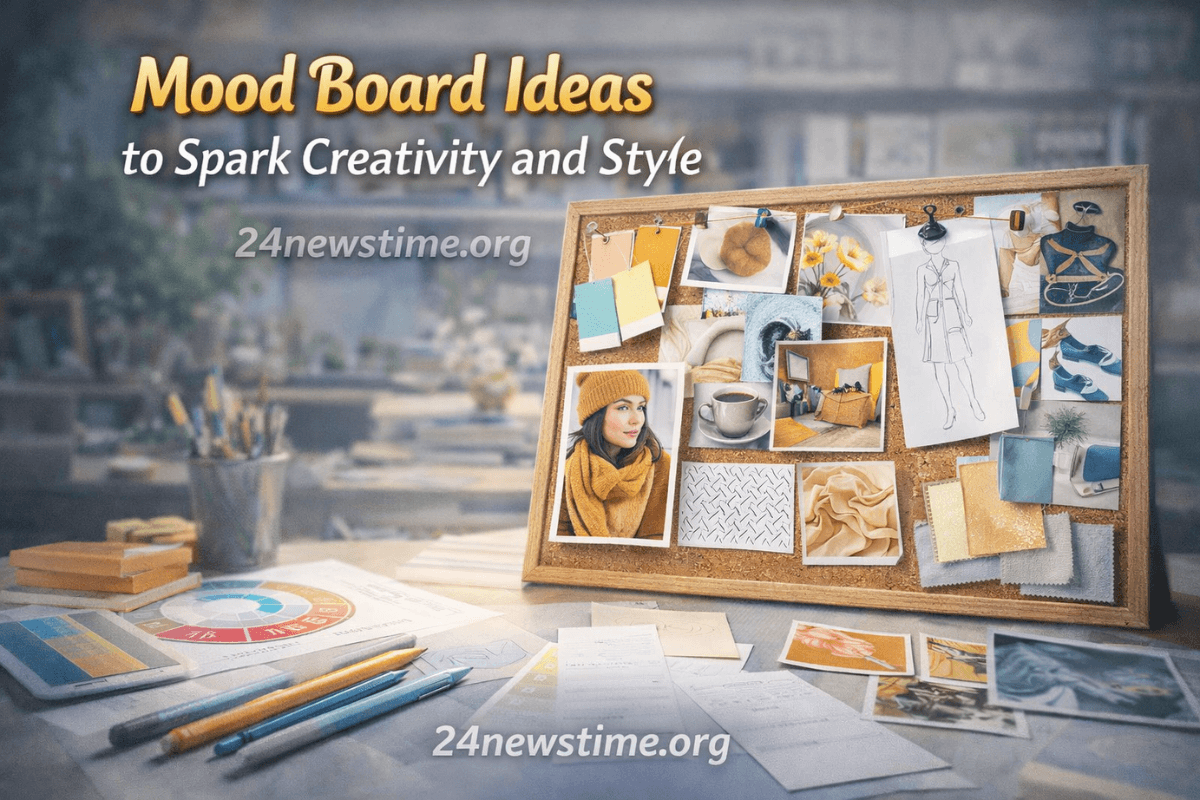
A mood board is a visual collection of images, textures, colors, and text that represent a certain feeling or concept. It acts like a creative guide that shows how different elements work together to create a specific mood or style. Instead of explaining ideas with long descriptions, people use this method to communicate visually, making it easier to understand the tone and direction of a project.
Why a Mood Board Is Important
A mood board plays an important role in shaping creative projects because it helps bring clarity and focus. When ideas are scattered, it becomes difficult to decide what works best, but collecting them in one place makes patterns and themes easier to see. It also helps people share ideas with others, especially in group projects, where clear communication is necessary for success.
Types of Mood Boards
There are different types of mood boards depending on the purpose and preference of the user. Physical boards are made using printed images, magazines, and materials arranged on a surface, while digital boards are created using online tools or apps. Some boards focus on colors and textures, while others highlight layouts, typography, or product ideas, making them suitable for a wide range of creative needs.
How to Create a Mood Board
Creating a mood board starts with defining your goal and understanding what feeling or message you want to express. Once you have a clear idea, gather images, color palettes, and design elements that match your vision. Arrange these items in a balanced way so that they look connected and meaningful. The process should feel natural and creative, allowing you to experiment until everything fits together smoothly.
Choosing the Right Colors and Elements
Colors and elements are the heart of any mood board, as they set the tone and emotion of the design. Warm colors can create a feeling of energy and excitement, while cool tones often bring calm and peace. Textures, patterns, and shapes also play a role in building depth and interest, helping the overall design feel complete and visually appealing.
Benefits of Using a Mood Board
Using a mood board offers many advantages that improve both creativity and productivity. It saves time by giving a clear direction before starting a project, reducing confusion and unnecessary changes. It also boosts confidence, as you can see your ideas come together in a visual format. For teams, it acts as a shared reference that keeps everyone aligned and focused on the same goal.
Mood Board for Different Fields
A mood board is useful in many areas, including fashion, interior design, marketing, and art. Designers use it to plan collections, while decorators rely on it to choose colors and furniture styles. Content creators and brand builders also use it to maintain a consistent look and feel across their work, making it a versatile tool for creative expression.
Digital vs Physical Mood Board
Digital and physical boards both have their own strengths, depending on the user’s needs. Digital boards are easy to edit, share, and update, making them ideal for modern projects. Physical boards, on the other hand, provide a hands-on experience that some people find more engaging and inspiring. Choosing between the two depends on your workflow and personal preference.
Tips to Make Your Mood Board Stand Out
To create a strong mood board, focus on simplicity and clarity rather than adding too many elements. Choose visuals that truly represent your idea and avoid mixing styles that do not match. Keep the layout balanced so that each part supports the overall theme. Paying attention to small details can make a big difference in how your board looks and feels.
Common Mistakes to Avoid
Many people make the mistake of adding too many images, which can make the board look cluttered and confusing. Another issue is not having a clear theme, leading to a mix of unrelated ideas. Using low-quality images can also reduce the impact of your board, so it is important to choose clear and high-quality visuals that match your concept.
The Growing Trend of Mood Boards
The use of mood board techniques is growing as more people explore creative fields and visual storytelling. Social media platforms have made it easier to share and discover ideas, inspiring users to create their own boards. As creativity becomes more important in everyday life, this method continues to gain popularity as a simple yet effective tool.
Conclusion
A mood board is more than just a collection of images; it is a creative tool that helps turn ideas into a clear vision. By organizing thoughts visually, it becomes easier to understand, plan, and execute projects with confidence. Whether you are working alone or with a team, using this method can improve your creative process and lead to better results. As creativity continues to shape the modern world, mood boards remain a valuable and accessible way to bring ideas to life.
What is a mood board used for?
It is used to organize ideas and visually represent a concept or style.
Can beginners create a mood board easily?
Yes, anyone can create one with simple tools and basic ideas.
Is a digital mood board better than a physical one?
Both are useful, and the choice depends on personal preference.
What should be included in a mood board?
Images, colors, textures, and design elements that match your theme.
How does a mood board help creativity?
It provides clear direction and helps connect ideas visually.
Informational Table
| Aspect | Details | Purpose |
| Visual Elements | Images, colors, textures | Show style and mood |
| Format Options | Digital or physical | Flexible creation method |
| Main Use | Planning and inspiration | Clear direction |
| Key Benefit | Better idea organization | Improved creativity |
| Target Users | Designers, students, creators | Wide usability |