

Introduction
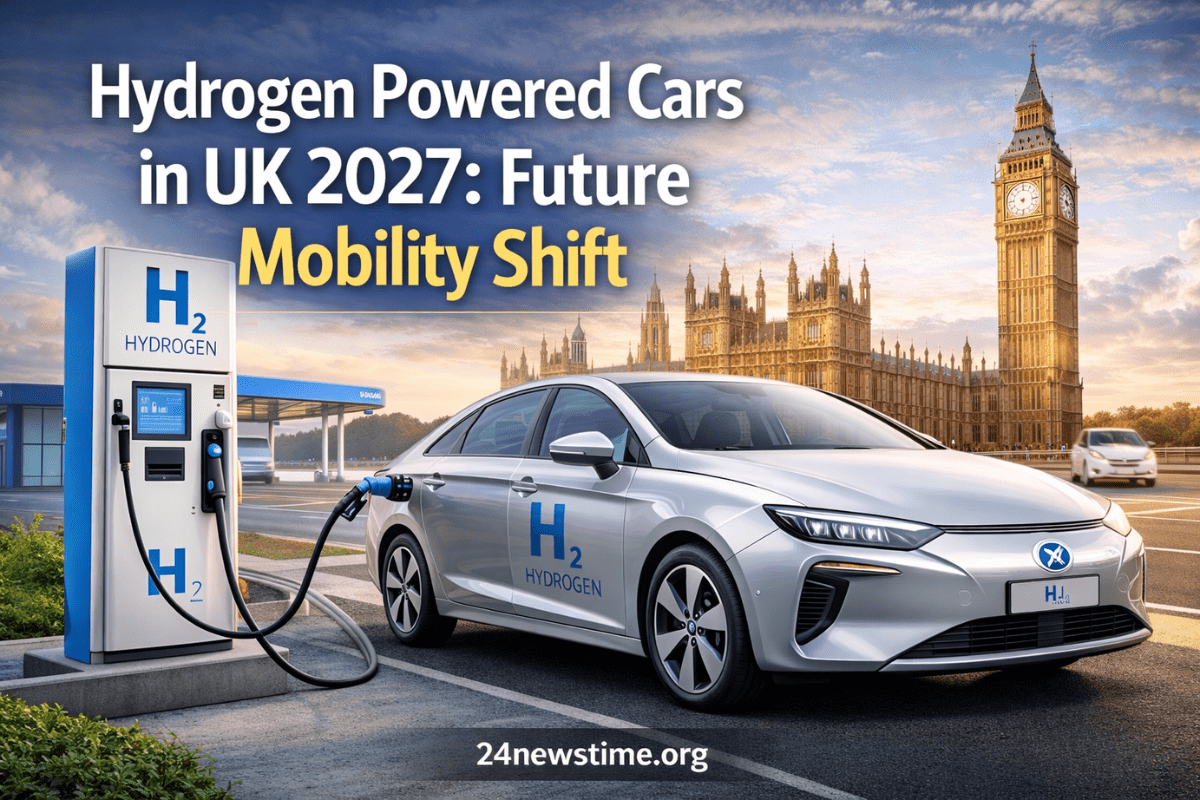
The discussion around hydrogen powered cars in UK 2027 is gaining momentum as the country searches for cleaner transport solutions. With climate concerns growing and petrol vehicles slowly being phased out, many experts believe hydrogen vehicles could become a strong alternative to battery electric cars. Hydrogen technology promises fast refueling, long driving ranges, and zero harmful emissions from the vehicle itself. Governments, car manufacturers, and energy companies are investing in research and infrastructure to make hydrogen mobility practical for everyday drivers. While the road ahead still has challenges, the coming years may redefine how people travel across Britain, especially if hydrogen becomes more affordable and widely available.
Understanding Hydrogen Vehicle Technology
Hydrogen vehicles operate using fuel cells that convert hydrogen gas into electricity, which powers the motor. Inside the car, hydrogen combines with oxygen from the air to generate electricity while producing only water vapor as a by-product. This makes the technology appealing for reducing pollution in cities and lowering environmental damage caused by transport. Unlike traditional engines that burn fuel, hydrogen systems create energy through a chemical process, meaning the vehicle runs quietly and efficiently. As innovation continues, the technology behind hydrogen powered cars in UK 2027 is expected to become smaller, lighter, and more reliable for daily use.
Why the UK Is Considering Hydrogen Mobility
The United Kingdom has committed to reducing carbon emissions and moving toward cleaner transportation. While electric vehicles have grown rapidly, they also face challenges such as charging time and battery production impacts. Hydrogen vehicles offer a different path because they can refuel in minutes and travel long distances without heavy batteries. For heavy transport, long road trips, and commercial fleets, hydrogen solutions may provide flexibility that traditional electric cars sometimes struggle to deliver. This is one reason policymakers are paying closer attention to the potential role of hydrogen in the country’s future mobility system.
Infrastructure Development Across the UK
A major requirement for hydrogen mobility is a reliable network of refueling stations. Over the last few years, the UK has begun planning hydrogen stations in strategic locations such as major cities, highways, and industrial zones. Energy companies and transportation authorities are working together to expand this network before demand grows significantly. If infrastructure expands steadily, hydrogen powered cars in UK 2027 could become more accessible to everyday drivers rather than remaining limited to experimental fleets or pilot programs.
Car Manufacturers Entering the Hydrogen Market
Global car companies have already begun producing hydrogen vehicles, and several brands are exploring future models specifically designed for European markets. Manufacturers see hydrogen as an important part of long-term mobility because it offers another path toward cleaner transportation. Research teams are focusing on improving fuel cell efficiency, reducing production costs, and enhancing safety systems. By the time hydrogen powered cars in UK 2027 become more common, consumers may see a wider selection of vehicles ranging from compact city cars to larger family models.
Environmental Impact and Clean Energy Goals
Hydrogen vehicles are often described as environmentally friendly because their exhaust produces only water vapor. However, the overall environmental impact depends on how hydrogen itself is produced. When hydrogen is created using renewable energy sources such as wind or solar power, the entire process can be extremely clean. The UK is investing in green hydrogen projects that aim to reduce emissions across multiple industries. As these projects grow, the environmental benefits of hydrogen powered cars in UK 2027 may become clearer, especially when combined with renewable energy production.
Economic Opportunities and Job Creation
Hydrogen technology has the potential to support new industries, create jobs, and strengthen the national economy. From fuel production facilities to transportation infrastructure, many sectors could benefit from the expansion of hydrogen energy. Engineers, technicians, and manufacturing specialists may find new career opportunities as the industry grows. Research centers and universities across the UK are already exploring hydrogen innovations, which may lead to technological breakthroughs and economic growth connected to the rise of hydrogen powered cars in UK 2027.
Challenges Slowing Down Hydrogen Adoption
Despite the excitement surrounding hydrogen mobility, several challenges remain. Producing hydrogen in a clean and cost-effective way is still difficult compared with traditional fuels. Building refueling stations requires significant investment, and the number of available vehicles is still limited. Consumer awareness is another factor, as many drivers are unfamiliar with hydrogen technology. Until these challenges are addressed, widespread adoption will take time. Even so, continued research and government support could gradually reduce these barriers over the next few years.
Comparison with Electric Vehicles
Electric vehicles dominate the current conversation around cleaner transport, but hydrogen vehicles offer different advantages. Battery electric cars rely on large batteries that require charging, which can take time depending on the charging station. Hydrogen vehicles, on the other hand, can refuel in a matter of minutes while delivering a comparable driving range. Both technologies aim to reduce pollution and reliance on fossil fuels. In the coming years, transport systems may include a mix of battery electric and hydrogen vehicles working together to meet the needs of drivers across the country.
Government Policies and Future Plans
The UK government has introduced several initiatives designed to support hydrogen energy development. These programs focus on research funding, infrastructure expansion, and partnerships with private companies. Policymakers see hydrogen as part of a broader strategy to achieve cleaner transportation and energy independence. With continued support, the transition toward hydrogen powered cars in UK 2027 could become more realistic as technology improves and costs gradually decrease for both producers and consumers.
What Drivers Can Expect by 2027
If development continues at its current pace, drivers may begin to see hydrogen vehicles more frequently on British roads within the next few years. Early adopters will likely include commercial fleets, taxi services, and logistics companies before private ownership grows. As fuel stations expand and vehicle prices decline, more people may consider hydrogen cars as a practical option. By 2027, the presence of hydrogen powered cars in UK 2027 could signal the start of a broader shift toward cleaner and more diverse transport technologies across the country.
Conclusion
Hydrogen mobility is still developing, but its potential impact on transportation in the United Kingdom is significant. The combination of quick refueling, long range, and reduced emissions makes hydrogen vehicles an attractive option for the future. While challenges such as infrastructure costs and production methods remain, ongoing investment and technological progress may gradually overcome these obstacles. As innovation continues, hydrogen vehicles could complement other clean transport solutions and reshape how people move around the country. Readers interested in technology, transport, and innovation can explore more articles and insights at https://24newstime.org/ where similar topics are discussed in detail.
What is a hydrogen car?
A hydrogen car uses fuel cells to generate electricity from hydrogen gas to power the vehicle.
Are hydrogen cars environmentally friendly?
Yes, they produce only water vapor during operation when hydrogen is used as fuel.
How long does it take to refuel a hydrogen vehicle?
Most hydrogen cars can be refueled in about three to five minutes.
Will hydrogen vehicles replace electric cars?
They are more likely to exist alongside electric vehicles rather than completely replacing them.
Are hydrogen cars available in the UK now?
A few models exist, but wider availability may increase closer to 2027.
Hydrogen Mobility Overview in the UK
| Category | Current Status | Expected Situation by 2027 |
| Hydrogen Refueling Stations | Limited locations | Expansion along major highways |
| Vehicle Availability | Few models available | More manufacturers entering market |
| Refueling Time | 3–5 minutes | Similar but with improved station access |
| Driving Range | 300–400 miles average | Potentially higher with better fuel cells |
| Environmental Impact | Depends on hydrogen production | Cleaner with green hydrogen growth |