

Introduction
Interest in natural remedies and plant-based oils has surged in recent years, leading many people to search for how to make dagga oil. Dagga, a common term used in parts of Africa for cannabis, has long been associated with traditional wellness practices and alternative health discussions. However, making dagga oil is not as simple—or as safe—as many online sources suggest.
This article takes a responsible and informative approach. Instead of unsafe or illegal instructions, it explains what dagga oil is, how it is traditionally understood, its potential uses, legal considerations, and safer alternatives available today. If you are researching how to make dagga oil, this guide will help you understand the topic clearly and responsibly.
What Is Dagga Oil?
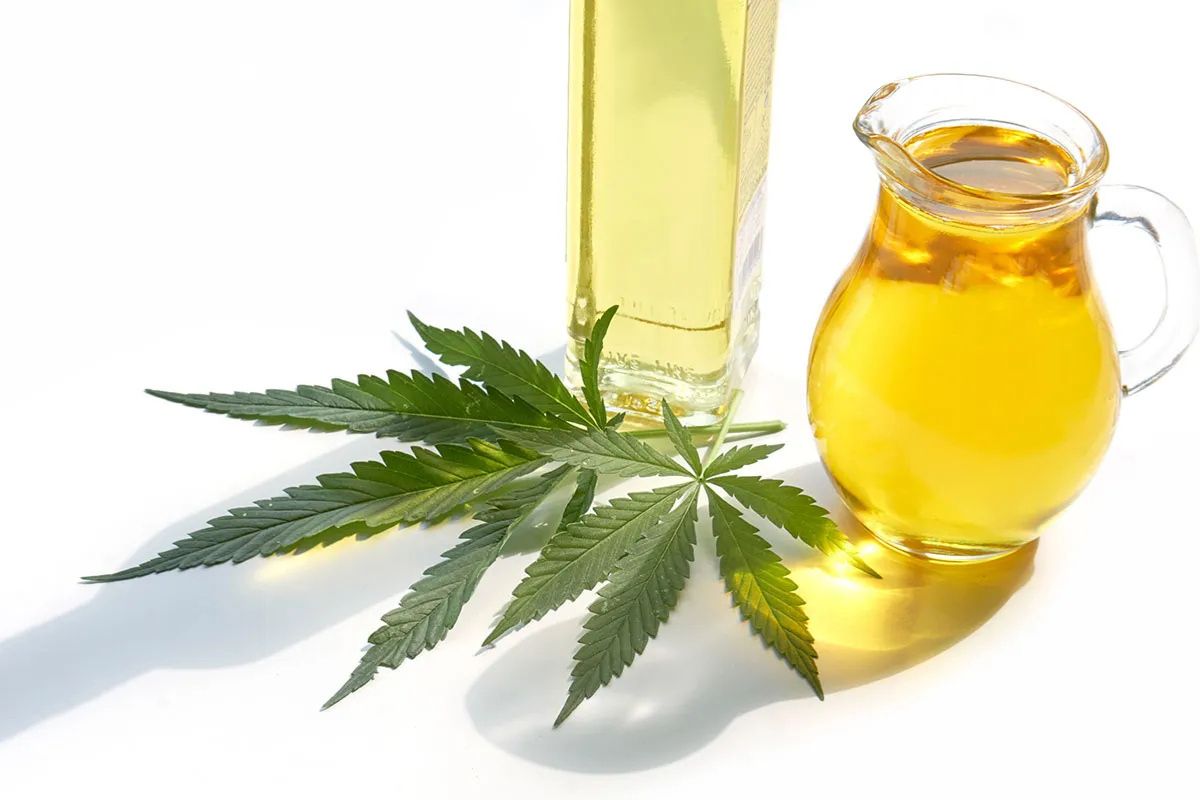
Dagga oil is a concentrated oil derived from the cannabis plant. Traditionally, it has been discussed in the context of herbal medicine, relaxation, and wellness. The oil is known for containing plant compounds that interact with the body’s endocannabinoid system.
It is important to understand that dagga oil differs from industrial hemp oil or culinary seed oils. Its composition, potency, and effects depend on plant variety, processing method, and legal regulations.
Why People Search for How to Make Dagga Oil
Many readers exploring how to make dagga oil do so for reasons such as:
- Interest in natural or herbal wellness options
- Cultural or traditional curiosity
- Desire for plant-based alternatives to synthetic products
- Cost concerns related to commercial oils
While curiosity is understandable, it is crucial to separate educational knowledge from practices that may be unsafe or illegal in many regions.
Legal Considerations You Must Know
Before exploring how to make dagga oil, legality should be your first concern. Cannabis laws vary significantly by country and even by region within the same country.
In many places:
- Producing dagga oil without a license is illegal
- Possession of concentrated cannabis products may carry penalties
- Distribution or sale is strictly regulated
Always verify local laws before engaging in any activity related to cannabis. In many regions, purchasing regulated products from licensed providers is the only legal option.
Safety Risks of Homemade Dagga Oil
One of the biggest issues with searching for how to make dagga oil online is the prevalence of unsafe advice. Homemade production can involve serious risks, including:
- Exposure to toxic substances
- Incorrect concentration levels
- Fire or explosion hazards
- Contamination due to poor handling
Without professional equipment and training, producing dagga oil at home can be dangerous to both health and property.
How Dagga Oil Is Made (High-Level Overview)
From an educational standpoint, dagga oil is typically produced by extracting plant compounds into a carrier substance. Licensed manufacturers use controlled environments, tested materials, and strict quality standards.
This process requires:
- Regulatory approval
- Laboratory testing
- Precise quality control
Understanding this high-level concept helps explain why regulated products are safer than homemade alternatives.
Potential Uses of Dagga Oil
Discussions around dagga oil often include its possible uses in wellness routines. These may include:
- Relaxation support
- Stress management
- Lifestyle balance
It is important to note that effects vary widely between individuals, and dagga oil should never replace professional medical advice.
Safer and Legal Alternatives to Making It Yourself
If your interest in how to make dagga oil is driven by wellness goals, consider safer options such as:
- Purchasing lab-tested products from licensed suppliers
- Exploring legal hemp-derived oils
- Consulting healthcare or herbal professionals
These alternatives reduce risk while still allowing informed exploration.
Common Myths About Making Dagga Oil
Many online myths claim that making dagga oil at home is easy, safe, and harmless. In reality:
- Potency is difficult to control
- Safety risks are often ignored
- Legal consequences are downplayed
Responsible education helps prevent misinformation and harm.
Conclusion
Searching for how to make dagga oil reflects growing interest in plant-based wellness, but it also comes with important responsibilities. Legal restrictions, safety concerns, and quality issues make home production risky and often unlawful.
The safest path is education, legality, and informed decision-making. Understanding what dagga oil is, how it is regulated, and why licensed products exist empowers readers to make smarter, safer choices—without unnecessary risk.
FAQs
1. What is dagga oil used for?
Dagga oil is commonly discussed in wellness contexts for relaxation and lifestyle balance.
2. Is it legal to make dagga oil at home?
In many regions, making dagga oil at home is illegal without proper licensing.
3. Why is homemade dagga oil risky?
Homemade production can involve safety hazards, contamination, and legal consequences.
4. Are there legal alternatives to dagga oil?
Yes, regulated hemp-based oils are widely available in many regions.
5. Should I consult a professional before using dagga oil?
Yes, professional guidance is strongly recommended before using any cannabis-related product.