

Introduction
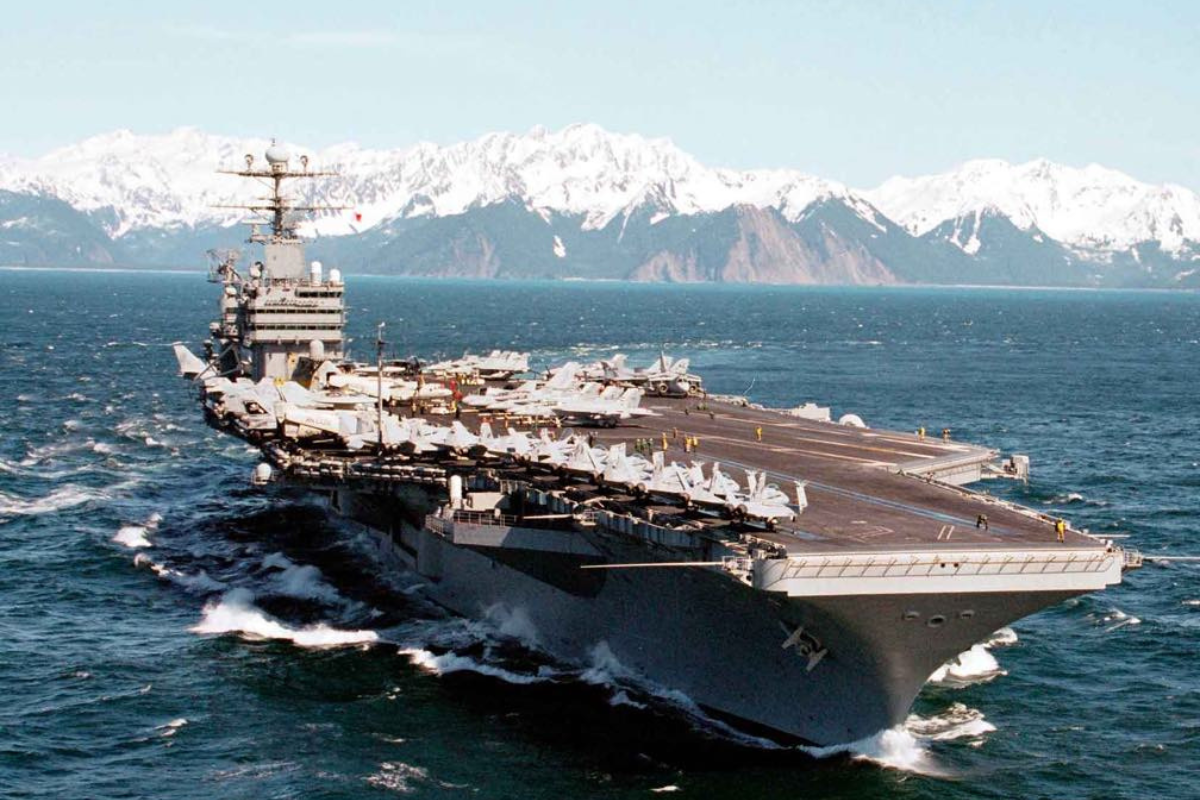
The USS Abraham Lincoln (CVN-72) stands as one of the most formidable aircraft carriers in the world, representing strength, innovation, and strategic dominance of the United States Navy. Named after the 16th President of the United States, this Nimitz-class nuclear-powered aircraft carrier has played a critical role in shaping modern naval warfare. Since its commissioning, the ship has been a floating airbase, humanitarian responder, and symbol of deterrence across global waters.
This article explores the history, capabilities, missions, and significance of USS Abraham Lincoln CVN-72, providing a detailed yet engaging overview optimized for Rank Math SEO, semantic search, and Youth SEO algorithms, while maintaining clarity for a broad audience.
History of USS Abraham Lincoln (CVN-72)
Commissioning and Early Years
USS Abraham Lincoln was commissioned into the U.S. Navy in 1989, becoming the fifth Nimitz-class aircraft carrier. Built with nuclear propulsion, the ship was designed to operate for decades without refueling, ensuring unmatched endurance and operational flexibility.
Naming and Legacy
The carrier honors Abraham Lincoln, one of the most influential leaders in U.S. history. The name reflects ideals of unity, resilience, and leadership—values deeply embedded in the ship’s mission and crew culture.
Design and Engineering Excellence
Nimitz-Class Architecture
As a Nimitz-class carrier, USS Abraham Lincoln CVN-72 features a massive flight deck capable of supporting continuous air operations. Its design emphasizes survivability, redundancy, and adaptability in both combat and peacetime missions.
Nuclear Propulsion System
Powered by two nuclear reactors, the carrier can operate for over 20 years without refueling. This gives it a strategic advantage by reducing logistical dependence and allowing sustained global deployment.
Air Wing and Combat Capabilities
Carrier Air Wing Operations
USS Abraham Lincoln hosts a Carrier Air Wing consisting of fighter jets, electronic warfare aircraft, early warning planes, and helicopters. These aircraft enable air superiority, reconnaissance, and strike missions.
Advanced Defense Systems
The ship is equipped with layered defense systems, including missile defense, radar tracking, and close-in weapon systems. Together, these technologies protect the carrier from aerial, surface, and asymmetric threats.
Global Missions and Deployments
Strategic Presence
USS Abraham Lincoln CVN-72 has been deployed across the Pacific Ocean, Middle East, and Indo-Pacific regions, supporting freedom of navigation and regional stability. Its presence alone often acts as a powerful deterrent.
Humanitarian Assistance
Beyond combat roles, the carrier has supported disaster relief missions, delivering medical aid, food, and emergency assistance during natural disasters—highlighting its versatility and humanitarian value.
Life Aboard USS Abraham Lincoln
Crew and Daily Operations
The carrier houses a crew of over 5,000 sailors and aviators, functioning like a small floating city. Life onboard is structured, disciplined, and demanding, yet enriched with teamwork and advanced training.
Training and Readiness
Continuous drills, simulations, and real-world exercises ensure the crew remains prepared for any mission, reinforcing the carrier’s reputation as a cornerstone of U.S. naval readiness.
Technological Modernization

Refueling and Complex Overhaul (RCOH)
USS Abraham Lincoln underwent a Refueling and Complex Overhaul, extending its service life by decades. This modernization upgraded combat systems, electronics, and living conditions.
Integration with Modern Warfare
The carrier now operates seamlessly with cyber systems, unmanned technologies, and joint-force operations, making it relevant in both traditional and hybrid warfare scenarios.
Strategic Importance in Modern Naval Warfare
USS Abraham Lincoln CVN-72 exemplifies power projection, allowing the U.S. to respond rapidly to crises without relying on foreign bases. Its mobility, firepower, and endurance make it a critical asset in maintaining global maritime balance.
Conclusion
The USS Abraham Lincoln (CVN-72) is more than an aircraft carrier—it is a symbol of technological mastery, global security, and naval heritage. From high-intensity combat readiness to humanitarian missions, the ship continues to demonstrate why nuclear-powered aircraft carriers remain essential in modern geopolitics. As naval warfare evolves, USS Abraham Lincoln stands ready, reinforcing its legacy as a pillar of maritime dominance.
FAQs:
What type of ship is USS Abraham Lincoln (CVN-72)?
It is a Nimitz-class nuclear-powered aircraft carrier.
When was USS Abraham Lincoln commissioned?
The ship was commissioned in 1989.
How many aircraft can USS Abraham Lincoln carry?
It can carry approximately 60–70 aircraft, depending on mission needs.
Why is nuclear propulsion important for aircraft carriers?
It allows long-term operation without refueling and provides greater endurance.
What is the primary role of USS Abraham Lincoln CVN-72?
Its main role is power projection, air operations, and global maritime security.
USS Abraham Lincoln (CVN-72) Overview
| Feature | Details |
| Ship Class | Nimitz-class aircraft carrier |
| Commissioned | 1989 |
| Propulsion | Two nuclear reactors |
| Length | Approx. 1,092 feet |
| Crew Size | 5,000+ personnel |
| Aircraft Capacity | 60–70 aircraft |
| Primary Role | Power projection & naval aviation |









Leave a Reply