

Introduction
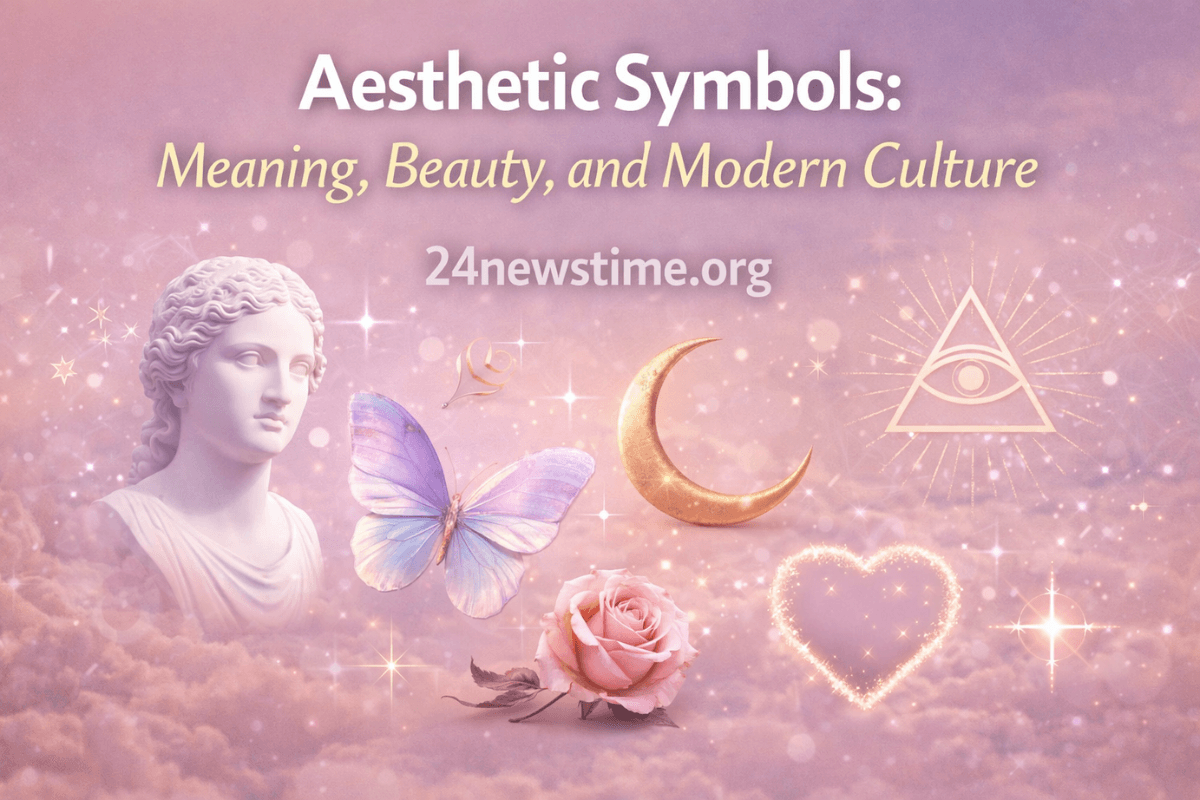
Aesthetic symbols play an important role in how people express beauty, identity, and emotions in visual culture. From ancient carvings to modern digital art, aesthetic symbols help communicate ideas that words sometimes cannot explain. These symbols appear in fashion, tattoos, graphic design, social media, and cultural traditions across the world. They often represent harmony, balance, creativity, freedom, and personal identity. Because of their strong visual impact, aesthetic symbols are widely used by young people and artists who want to share deeper meanings through simple images. Understanding the origin and purpose of these symbols helps us appreciate how visual expression connects history, culture, and modern life.
Understanding the Concept of Aesthetic Symbols
Aesthetic symbols are visual signs that represent beauty, artistic meaning, or emotional ideas. Unlike ordinary signs that only give information, aesthetic symbols carry deeper feelings and cultural value. They may appear as shapes, patterns, icons, or artistic designs that attract the viewer’s attention. Many cultures have used symbolic visuals for centuries to represent nature, spirituality, harmony, or identity. When people see these visuals, they often feel a connection without needing a long explanation. This universal visual language allows individuals from different backgrounds to understand artistic messages through shared human experiences.
Historical Roots of Symbolic Visual Expression
The history of symbolic imagery goes back thousands of years. Ancient civilizations used symbolic drawings on caves, temples, pottery, and clothing to express beliefs and traditions. These early forms of aesthetic symbols often represented nature elements such as the sun, moon, animals, and plants. Many societies believed these visuals carried spiritual meaning or protection. Over time, artists refined these designs into decorative patterns and cultural icons. The continued use of such imagery shows how powerful visual language can be in preserving cultural memory and artistic identity.
Cultural Importance of Aesthetic Symbols
In many societies, symbolic visuals are closely connected with traditions and cultural identity. Different communities use unique designs to express beliefs, history, and social values. For example, certain geometric patterns symbolize balance and harmony, while natural motifs may represent growth and life. These forms of expression allow people to celebrate their heritage while sharing artistic beauty with others. Because of this cultural depth, aesthetic symbols often carry emotional significance that goes beyond decoration.
Role of Aesthetic Symbols in Modern Digital Culture
The rise of digital platforms has given new life to aesthetic symbols. Social media, digital art platforms, and online communities frequently use symbolic visuals to represent moods, identity, and creativity. Young creators often combine traditional symbols with modern design styles to produce unique visual content. Minimalist icons, soft color patterns, and artistic typography are widely shared across digital spaces. This growing trend shows how symbolic imagery continues to evolve while maintaining its original purpose of expressing ideas visually.
Aesthetic Symbols in Art and Design
Artists and designers frequently use symbolic visuals to communicate deeper themes within their work. Graphic design, interior decoration, and fashion all rely on meaningful patterns and icons to create visual harmony. For example, circular shapes may symbolize unity, while symmetrical patterns suggest balance and order. These artistic choices influence how viewers feel when they experience a design. Because visual expression can evoke emotion instantly, aesthetic symbols remain powerful tools for creative professionals.
Personal Identity and Symbolic Expression
Many people use aesthetic symbols to express their personal identity and beliefs. Tattoos, jewelry, clothing prints, and digital avatars often include meaningful imagery chosen by individuals. These visuals allow people to communicate values, memories, or emotions without speaking. A simple symbol may represent a life journey, spiritual belief, or connection with nature. This personal use of aesthetic symbols shows how art and identity are deeply connected in human life.
Popular Types of Aesthetic Symbols
Various symbolic designs have become widely recognized due to their universal meaning and visual appeal. Natural elements like flowers, stars, waves, and leaves are often used because they reflect beauty found in the natural world. Geometric shapes such as triangles, circles, and spirals are also common because they represent harmony and balance. Some symbols come from ancient traditions, while others develop through modern artistic movements. Regardless of their origin, these visuals continue to inspire creative expression in many forms.
Emotional and Psychological Influence
Visual symbols have a strong emotional impact on the human mind. Colors, shapes, and patterns can influence how people feel when they see them. Soft and balanced designs often create calm and comfort, while sharp and dynamic forms can express energy or change. This psychological effect explains why aesthetic symbols are frequently used in branding, art therapy, and design projects. When used thoughtfully, symbolic imagery can encourage positive emotions and inspire creativity.
The Future of Aesthetic Symbols
As technology and artistic trends continue to evolve, symbolic visuals will likely remain important in visual communication. New design tools allow artists to experiment with digital textures, animation, and interactive forms of symbolic art. At the same time, many creators still draw inspiration from traditional cultural patterns. This blend of old and new ensures that aesthetic symbols will continue to grow and adapt with future generations of artists and viewers.
Conclusion
Visual symbolism has always been a powerful part of human creativity. From ancient cultural designs to modern digital artwork aesthetic symbols allow people to share meaning, emotion, and beauty through simple imagery. These symbols connect individuals with history, culture, and personal identity in a unique visual language. As artistic trends continue to develop, symbolic visuals will remain an essential tool for creative expression. Understanding their meaning helps us appreciate the deeper stories behind the images we see every day.
What are aesthetic symbols?
They are visual images or patterns used to represent beauty, emotions, or deeper ideas.
Why do people use symbolic visuals in art?
They help artists communicate complex meanings through simple visual forms.
Where are aesthetic symbols commonly used?
They appear in art, fashion, tattoos, design, and digital media.
Do these symbols have cultural meaning?
Yes, many designs come from cultural traditions and historical beliefs.
Why are symbolic visuals popular among young people?
They allow creative self-expression and personal identity through visual design.
Common Aesthetic Symbols and Meanings
| Symbol Type | Visual Example | General Meaning | Common Use |
| Circle | Round shape | Unity and harmony | Logos, art design |
| Triangle | Three-sided shape | Balance and strength | Tattoos, graphics |
| Flower | Natural blossom | Beauty and growth | Fashion, decoration |
| Star | Radiating shape | Hope and inspiration | Jewelry, illustrations |
| Wave | Curved lines | Flow and movement | Digital art, patterns |