

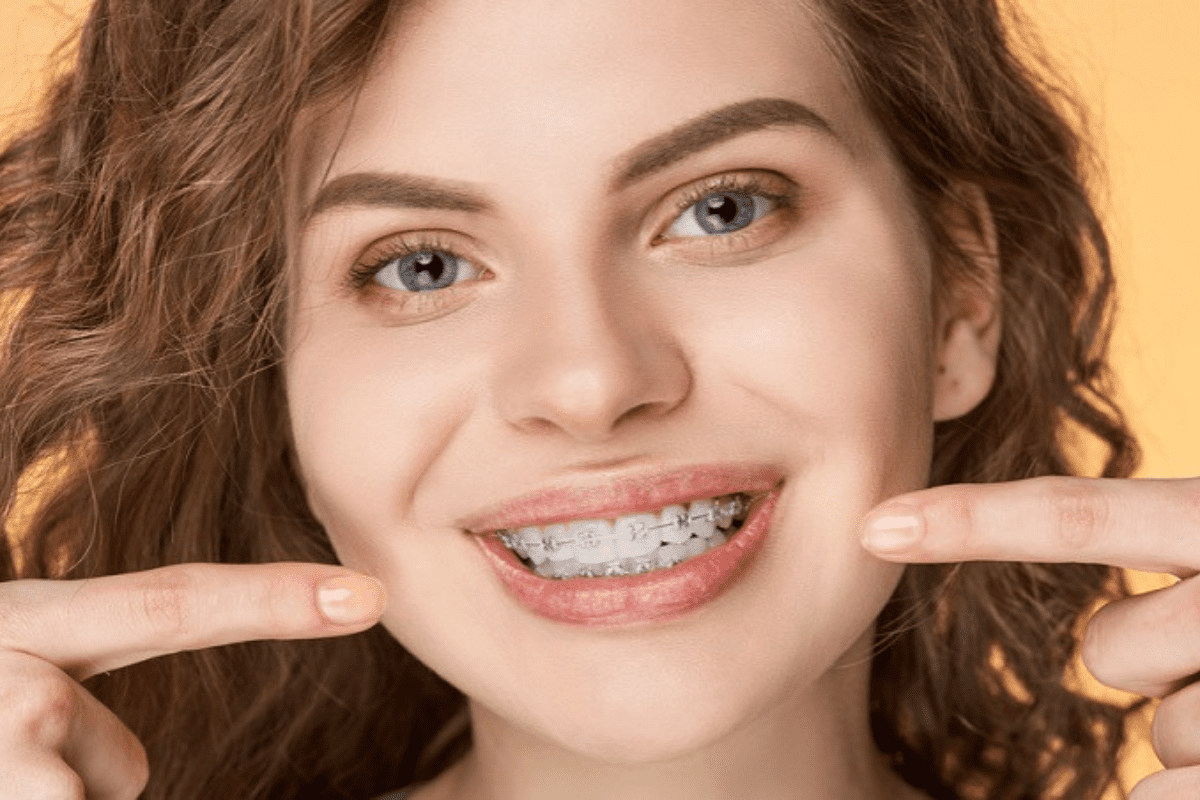
Ceramic braces offer effective teeth alignment with a natural, discreet look.
A popular choice for those who want confidence during orthodontic treatment.
Introduction
Orthodontic treatment has evolved far beyond the shiny metal brackets many people remember from childhood. Today, more adults and teens are choosing ceramic braces because they are less noticeable while still being highly effective. If you want straighter teeth without the very visible look of metal braces, ceramic options may be an excellent solution.
This article offers a detailed breakdown of ceramic braces—what they are, how they work, their benefits and drawbacks, expected treatment time, and how to care for them. By the end, you will have a clear understanding of whether ceramic braces are the right choice for your smile and lifestyle.
What Are Ceramic Braces?
Ceramic braces are orthodontic appliances used to straighten teeth and correct bite issues, similar to metal braces. The key difference lies in the material. Instead of metal brackets, ceramic braces use clear or tooth-colored ceramic brackets that blend in with natural teeth. This gives them a more discreet and aesthetic appearance, which is why they are popular among adults and image-conscious teens.
The brackets are paired with archwires that guide teeth into proper alignment over time. The wires may also be tooth-colored, further enhancing the subtle look of ceramic braces.
How Ceramic Braces Work
The basic mechanics
Just like traditional braces, ceramic braces straighten teeth through gradual and controlled pressure. Your orthodontist attaches brackets to each tooth, then threads an archwire through them. Elastic ties may be used to hold the wire in place. Over time, periodic adjustments move the teeth into better alignment.
Treatment duration
The treatment time for ceramic braces is usually similar to metal braces, though in some cases it may be slightly longer. Average treatment ranges from 18 to 36 months depending on:
- complexity of alignment problems
- patient age
- consistency with appointments
- adherence to care instructions
Benefits of Ceramic Braces
More discreet appearance
The number one advantage of ceramic braces is aesthetics. The brackets are designed to blend into the natural color of your teeth, making them far less noticeable. Many working professionals prefer this treatment because it delivers results without drawing attention.
Effective for complex orthodontic cases
Unlike clear aligners that may struggle with more advanced movement, ceramic braces are suitable for mild, moderate, and complex orthodontic cases. They offer precision and control similar to metal braces.
Comfortable, smooth brackets
Many patients report that the brackets of ceramic braces feel smoother against the lips and cheeks than metal ones. While any braces take some adjustment, the ceramic material can be gentler on soft tissues.
Potential Drawbacks of Ceramic Braces
Cost considerations
Because of the specialized material and more aesthetic design, ceramic braces usually cost more than traditional metal braces. However, they are often still less expensive than some advanced orthodontic options. Insurance coverage varies, so it’s important to check your plan.
Staining risk
One common concern with ceramic braces is staining. The ceramic brackets themselves typically resist stains, but the elastic ligatures can discolor from foods like coffee, curry, tea, or red wine. Regular hygiene and occasional replacement of ties help minimize this issue.
Slightly more fragile
Ceramic material is strong, but more brittle than metal. This means the brackets of ceramic braces can chip or break if exposed to hard foods or impact. Orthodontists provide dietary guidelines to reduce risks.
Who Is a Good Candidate for Ceramic Braces?
You may be an excellent candidate for ceramic braces if:
- you want effective tooth straightening without a metallic look
- you have mild to severe misalignment or bite problems
- you can commit to oral hygiene and follow dietary recommendations
- you are a teen or adult concerned about aesthetics
Children in active sports may be better suited to metal braces because they are more durable, but orthodontists evaluate each case individually.
Cost of Ceramic Braces
The cost of ceramic braces depends on:
- geographic location
- orthodontist experience
- treatment complexity
- length of treatment
- insurance coverage
Payment plans are widely available. Many offices offer monthly financing, making ceramic braces accessible even without full upfront payment.
How to Care for Ceramic Braces
Maintain excellent oral hygiene
Brushing and flossing are crucial when wearing ceramic braces. Food can easily get trapped around brackets, increasing plaque buildup. To keep teeth, gums, and brackets clean:
- brush after every meal
- use interdental brushes or water flossers
- rinse with fluoride mouthwash
Watch what you eat
To protect ceramic braces, avoid:
- very hard foods (nuts, ice, hard candies)
- sticky foods (caramel, taffy, gum)
- strongly pigmented foods that cause staining
Cut apples or carrots into smaller pieces rather than biting directly into them.
Keep regular orthodontic appointments
Adjustments are essential for progress. Skipping appointments can extend your treatment time with ceramic braces, so staying consistent keeps your smile transformation on track.
Ceramic Braces vs. Metal Braces
When comparing metal braces and ceramic braces, both are effective, but they differ in appearance and comfort. Metal braces are more visible but slightly stronger and often less expensive. Ceramic braces are more discreet and appealing cosmetically but require more mindful care to avoid staining and breakage. Your choice ultimately depends on priorities: aesthetics, budget, and lifestyle.
Ceramic Braces vs. Clear Aligners
Clear aligners are removable trays that straighten teeth gradually. They can be nearly invisible and convenient for eating and brushing. However, they must be worn 20–22 hours daily to be effective. Ceramic braces are fixed, so they do not rely on patient discipline for wear time and can treat a wider range of alignment problems.
Conclusion
Ceramic braces offer a powerful blend of aesthetics and orthodontic effectiveness. If you want straighter teeth without the highly noticeable look of traditional metal braces, ceramic braces can be an excellent choice. They are well-suited for teens and adults who value appearance, comfort, and predictable results. With proper care, hygiene, and regular orthodontic visits, ceramic braces can help you achieve a confident, beautifully aligned smile. Always consult a qualified orthodontist to discuss your specific needs and treatment plan.
FAQs
Are ceramic braces as effective as metal braces?
Yes, they are highly effective and suitable for most alignment issues.
Do ceramic braces stain easily?
The brackets resist stains, but elastic ties can discolor from certain foods and drinks.
Are ceramic braces painful?
You may feel temporary discomfort during adjustments, similar to metal braces.
How long do ceramic braces take to straighten teeth?
Average treatment lasts 18–36 months, depending on your case.
Are ceramic braces more expensive than metal braces?
Generally yes, due to aesthetic materials, but costs vary by provider and location.