

Introduction
Pad Thai is one of the most beloved Thai dishes across the world. With its sweet, tangy, and savory flavors, chewy noodles, crunchy peanuts, and fresh lime, it’s easy to see why it’s a favorite. But if you’re trying to eat mindfully, understanding pad thai nutritional info becomes important. Like many restaurant dishes, pad Thai can range from light and balanced to surprisingly calorie-dense depending on portions and ingredients.
This article unpacks the essentials of pad thai nutritional info so you know what you’re really eating. You’ll learn about calories, macronutrients, sodium, common ingredients, and how to make pad Thai healthier without losing its authentic taste.
Understanding Pad Thai Nutritional Info: The Basics
What is pad Thai made of?
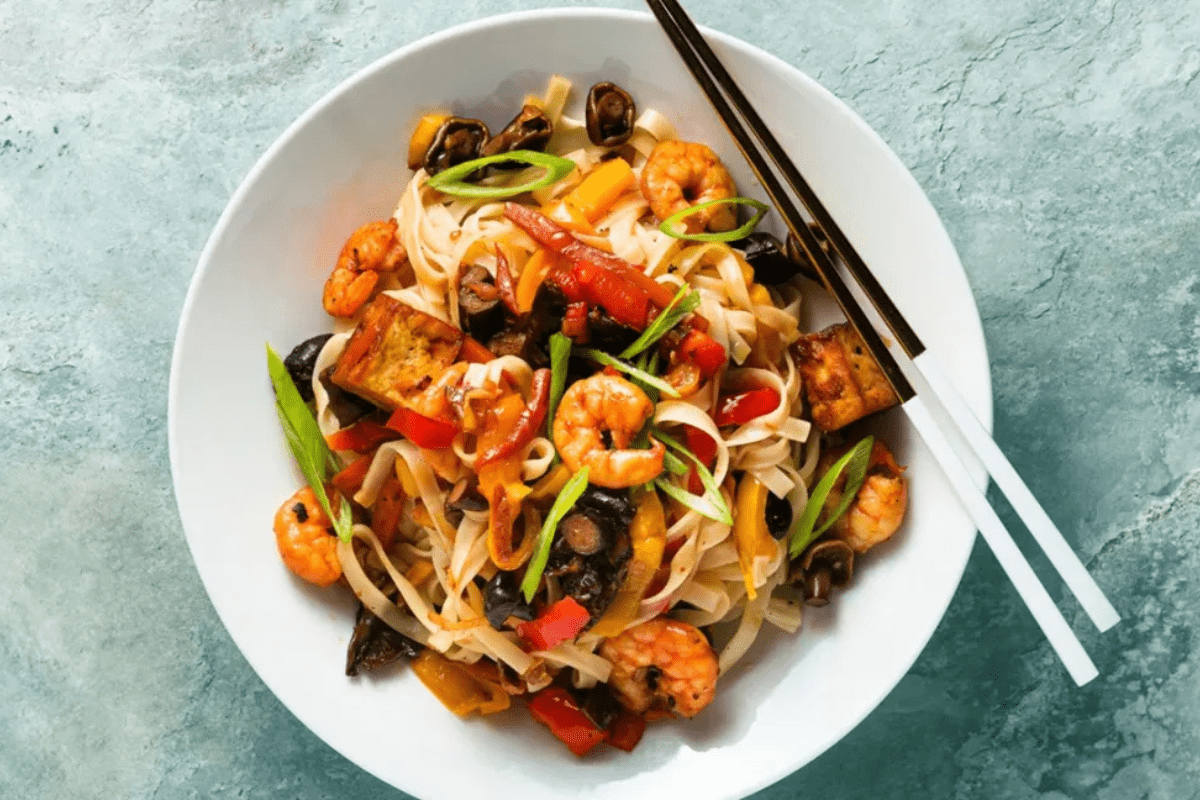
To understand pad thai nutritional info, it helps to start with the key ingredients. Traditional pad Thai usually contains:
- rice noodles
- eggs
- tofu, chicken, shrimp, or another protein
- bean sprouts
- scallions and vegetables
- tamarind-based sauce (with sugar, fish sauce, lime)
- crushed peanuts
- oil for stir-frying
Each of these components contributes differently to overall nutrition, especially calories, fat, and sodium.
Typical calorie range
A standard restaurant serving of pad Thai often ranges from moderate to high in calories because of noodles, sauce, and added oils. Portion size is a major factor, which is why checking pad thai nutritional info matters if you’re tracking your intake. Homemade versions tend to be lighter because you can control oil and sugar.
Macronutrients in Pad Thai
Carbohydrates
Rice noodles are the primary source of carbohydrates in pad Thai. Because they make up most of the dish, carbs typically account for the largest share in pad thai nutritional info. These noodles provide quick energy, but the dish can become high in carbs if servings are large. Adding extra vegetables helps balance the plate.
Protein
Protein levels vary depending on what you order. Chicken, shrimp, tofu, or egg-based pad Thai all change pad thai nutritional info in different ways:
- chicken pad Thai usually has higher protein
- shrimp adds lean protein with fewer calories
- tofu offers plant-based protein and minerals
- egg contributes both protein and fat
Choosing a protein-rich version can make the dish more filling and supportive of active lifestyles.
Fats
Fats in pad thai nutritional info come mainly from:
- cooking oils
- peanuts
- eggs
- meat or tofu
Peanuts and oils add healthy unsaturated fats, but portions can push total calories up. Skipping extra oil or asking for light sauce when ordering out helps reduce fat content without losing flavor.
Sodium and Sugar: What to Watch Out For
Sodium levels
One of the biggest surprises in pad thai nutritional info is sodium. Fish sauce, soy sauce, and seasoning mixes can quickly increase sodium content. High sodium dishes may be less ideal for people managing blood pressure. Cooking pad Thai at home with low-sodium sauces offers much more control.
Added sugar
Pad Thai sauce often includes palm sugar or brown sugar to achieve its classic sweet-sour taste. This means pad thai nutritional info usually includes small to moderate amounts of added sugars. Tamarind paste itself is tangy, so reducing added sugar or replacing it with a lighter sweetener can keep flavor while lowering sugar intake.
Pad Thai Nutritional Info by Common Variations
Chicken pad Thai
Chicken versions typically offer balanced protein and calories. In pad thai nutritional info, chicken adds complete protein and iron, making it popular among gym-goers and students wanting satisfying meals.
Shrimp pad Thai
Shrimp pad Thai is often slightly lower in calories but high in protein and minerals like iodine. It’s a good option when reviewing pad thai nutritional info for lighter choices.
Vegetable or tofu pad Thai
Tofu pad Thai is ideal for vegetarians and vegans. In terms of pad thai nutritional info, tofu provides plant-based protein and healthy fats while vegetables add fiber, vitamins, and volume to the dish.
How Portion Size Affects Pad Thai Nutritional Info
Portion size plays one of the biggest roles in total calories and macros. A restaurant plate can easily contain two servings. Even if pad thai nutritional info seems reasonable per serving, doubling the portion doubles everything else as well. Sharing, saving half for later, or asking for a smaller portion are simple solutions.
Making Pad Thai Healthier Without Losing Flavor
Add more vegetables
Boosting vegetables like bell peppers, carrots, broccoli, or snap peas increases fiber and micronutrients. This improves overall pad thai nutritional info by adding volume and reducing reliance on noodles alone.
Choose lean proteins
Opting for shrimp, tofu, or skinless chicken improves pad thai nutritional info by raising protein while controlling saturated fat.
Go lighter on sauce and oil
Most calories hide in oil and sweet sauces. You can upgrade pad thai nutritional info by:
- using less oil when stir-frying
- choosing low-sodium soy sauce or fish sauce
- cutting added sugar in the sauce
These small tweaks preserve authentic taste while making the dish more balanced.
Try whole-grain or alternative noodles
While not traditional, whole-grain rice noodles or spiralized vegetables can adjust pad thai nutritional info toward higher fiber and lower refined carbs.
Pad Thai Nutritional Info for Special Diets
Gluten-conscious diners
Rice noodles themselves are gluten-free, but soy sauce and some seasonings may contain gluten. When reviewing pad thai nutritional info, check labels or request gluten-free sauces if needed.
Vegetarian and vegan diets
Pad Thai can be vegetarian or vegan with tofu and vegetable-based sauce substitutions. Understanding pad thai nutritional info helps ensure adequate protein while maintaining plant-based goals.
Conclusion
Pad Thai is flavorful, comforting, and culturally rich, and it can absolutely fit into a balanced lifestyle when eaten mindfully. By understanding pad thai nutritional info, you can make choices that match your health goals while still enjoying one of the world’s favorite noodle dishes. Paying attention to portion size, protein choices, sauce ingredients, and added vegetables goes a long way toward creating a meal that is both delicious and nutritious. Whether you love cooking it at home or ordering from your favorite Thai restaurant, being informed empowers you to enjoy pad Thai with confidence.
FAQs
What is the basic pad thai nutritional info for a typical serving?
It generally includes carbs from noodles, moderate protein, fats from oil and peanuts, and notable sodium from sauces.
Is pad Thai high in calories?
It can be, especially in large restaurant portions, but homemade versions can be lighter.
How can I improve pad thai nutritional info when cooking at home?
Use less oil, add more vegetables, and choose lean proteins or tofu.
Is pad Thai healthy to eat regularly?
Yes, in reasonable portions and with balanced ingredients, it can fit into a healthy diet.
Does pad thai nutritional info change with different proteins?
Absolutely—chicken, shrimp, tofu, or eggs each alter calories, fats, and protein levels.