

Introduction
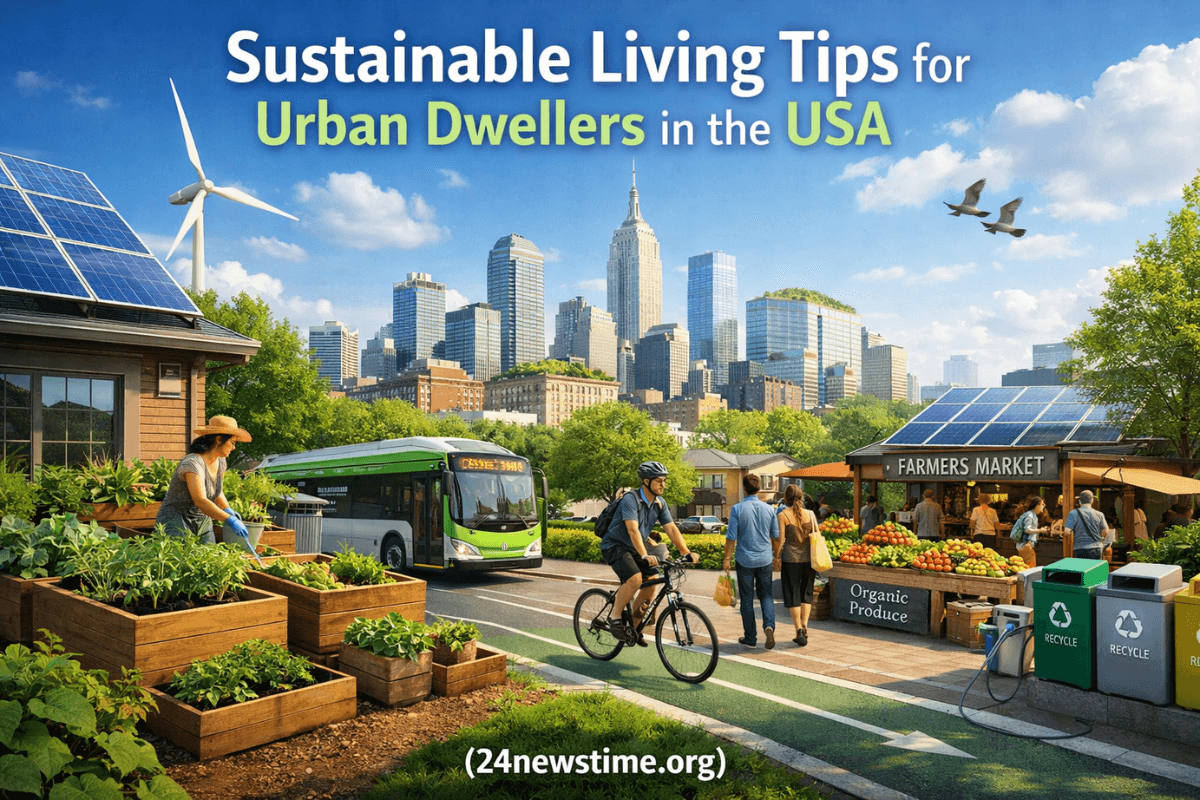
Sustainable Living Tips for Urban Dwellers USA are becoming increasingly important as cities continue to grow and environmental challenges become more visible in everyday life. Millions of people in the United States live in apartments, small homes, or busy neighborhoods where resources are often limited and daily habits can affect the environment more than we realize. Living in a city does not mean people cannot make environmentally responsible choices. In fact, urban communities often have many opportunities to adopt greener lifestyles through mindful consumption, energy awareness, and responsible waste management. By making small changes in daily routines, urban residents can help protect natural resources, reduce pollution, and create healthier living environments for future generations.
Understanding Sustainable Living in Urban Areas
Sustainable living means making everyday choices that protect the environment while supporting human well-being. For city residents, this often involves adjusting habits related to transportation, food consumption, energy use, and waste management. The idea behind Sustainable Living Tips for Urban Dwellers USA is not to create a perfect lifestyle but to encourage realistic changes that people can maintain over time. Cities already provide certain advantages, such as public transportation, walkable neighborhoods, and shared community spaces, which can make environmentally friendly living easier compared to rural areas.
Reducing Energy Consumption at Home
Energy use is one of the biggest environmental factors in urban living. Apartments and houses rely on electricity for lighting, heating, cooling, and appliances. Residents who follow Sustainable Living Tips for Urban Dwellers USA often start by reducing unnecessary energy use. Simple habits such as turning off lights when leaving a room, using energy-efficient appliances, and relying on natural light during the day can make a noticeable difference. Many urban homes also benefit from smart thermostats and efficient insulation that help regulate indoor temperatures while reducing electricity consumption.
Choosing Eco-Friendly Transportation
Transportation plays a major role in city pollution and carbon emissions. Fortunately, urban areas offer several alternatives to personal car use. Public transportation systems, bicycles, and walking are common options in many American cities. Following Sustainable Living Tips for Urban Dwellers in the USA often involves choosing these alternatives whenever possible. Commuters who use trains, buses, or shared transportation reduce traffic congestion and pollution. Even small decisions, such as combining errands into a single trip or walking short distances, contribute to a cleaner urban environment.
Supporting Local and Sustainable Food Choices
Food consumption is another important part of urban sustainability. City residents rely heavily on grocery stores, restaurants, and delivery services, which means food production and transportation can have a large environmental impact. People who follow Sustainable Living Tips for Urban Dwellers USA often focus on purchasing seasonal and locally produced food when possible. Local farmers’ markets and community-supported agriculture programs allow urban residents to support regional agriculture while reducing transportation emissions associated with imported food.
Reducing Waste in Daily Life
Waste management is a major challenge in densely populated cities. Landfills near urban areas fill quickly, and improper waste disposal can harm ecosystems and public health. Practicing Sustainable Living Tips for Urban Dwellers in the USA includes reducing waste by choosing reusable products and minimizing unnecessary packaging. Carrying reusable shopping bags, using refillable water bottles, and avoiding single-use plastics are simple steps that make a significant difference. Recycling programs in many cities also help ensure that materials such as paper, glass, and metal can be reused instead of being discarded.
Creating Green Spaces in Small Homes
Urban residents often live in limited spaces without traditional gardens, but that does not mean greenery is impossible. Indoor plants, balcony gardens, and small container gardens can bring nature into city homes. These practices are part of Sustainable Living Tips for Urban Dwellers USA because plants improve air quality, reduce stress, and support biodiversity. Herbs, small vegetables, and decorative plants can be grown in containers even in compact apartments. This connection with nature encourages environmentally conscious thinking and creates a more peaceful home environment.
Responsible Water Usage in Cities
Water conservation is an important part of sustainable living, especially in areas that experience drought or water shortages. Urban households can save water through simple changes such as fixing leaks quickly, using efficient showerheads, and avoiding unnecessary water waste. People who follow Sustainable Living Tips for Urban Dwellers USA also pay attention to how water is used in cleaning, cooking, and gardening. Even small efforts like turning off the tap while brushing teeth or collecting rainwater for plants help reduce overall water consumption.
Building Sustainable Communities
Environmental responsibility becomes stronger when communities work together. Many city neighborhoods organize recycling drives, community gardens, and environmental awareness events. These initiatives encourage residents to share resources and support greener lifestyles. Following Sustainable Living Tips for Urban Dwellers in the USA often involves participating in these local efforts. When neighbors collaborate on sustainability projects, they create stronger social connections and improve the quality of life in their communities.
Sustainable Shopping and Responsible Consumption
Consumer choices have a powerful effect on the environment. Many products require energy, water, and raw materials to produce. Urban residents who practice Sustainable Living Tips for Urban Dwellers USA often focus on buying fewer but higher-quality products that last longer. Supporting brands that prioritize ethical production and environmentally responsible materials also helps reduce the environmental footprint of everyday purchases. Choosing durable goods, repairing damaged items, and donating unused clothing can extend the life cycle of products.
The Future of Sustainable Cities
As urban populations continue to grow, cities are becoming centers for environmental innovation. Urban planners and policymakers are exploring new ways to make cities more efficient and environmentally friendly. Green buildings, renewable energy systems, and improved public transportation networks are transforming how cities operate. Individuals who follow Sustainable Living Tips for Urban Dwellers USA play an important role in this transformation because their daily choices contribute to a larger movement toward environmental responsibility.
Conclusion
Sustainable living in cities is not about making dramatic changes overnight but about building habits that protect natural resources and support healthier communities. Urban residents have unique opportunities to adopt environmentally friendly practices through transportation choices, responsible consumption, and community engagement. When individuals take small but meaningful actions, they contribute to a broader effort that benefits both people and the planet. The future of urban life depends on thoughtful decisions that respect environmental balance while supporting human well-being.
Informational Table: Everyday Sustainable Actions for Urban Residents
| Area of Living | Sustainable Action | Environmental Benefit |
| Energy Use | Using energy-efficient lighting | Reduces electricity consumption |
| Transportation | Walking, cycling, or public transit | Lowers air pollution |
| Food Choices | Buying local produce | Reduces transportation emissions |
| Waste Management | Recycling and reusable products | Decreases landfill waste |
| Water Use | Installing water-saving fixtures | Conserves freshwater resources |
What does sustainable living mean for city residents?
It means making everyday choices that reduce environmental impact while supporting healthy communities.
Can apartment residents practice sustainable living?
Yes, even small spaces allow for energy saving, recycling, and indoor gardening.
Why is public transportation important for sustainability?
It reduces traffic congestion and lowers pollution levels in cities.
Are local food markets better for the environment?
Yes, they often reduce transportation emissions and support local farmers.
How can communities support sustainable living?
By organizing recycling programs, shared gardens, and environmental awareness activities.