

Introduction
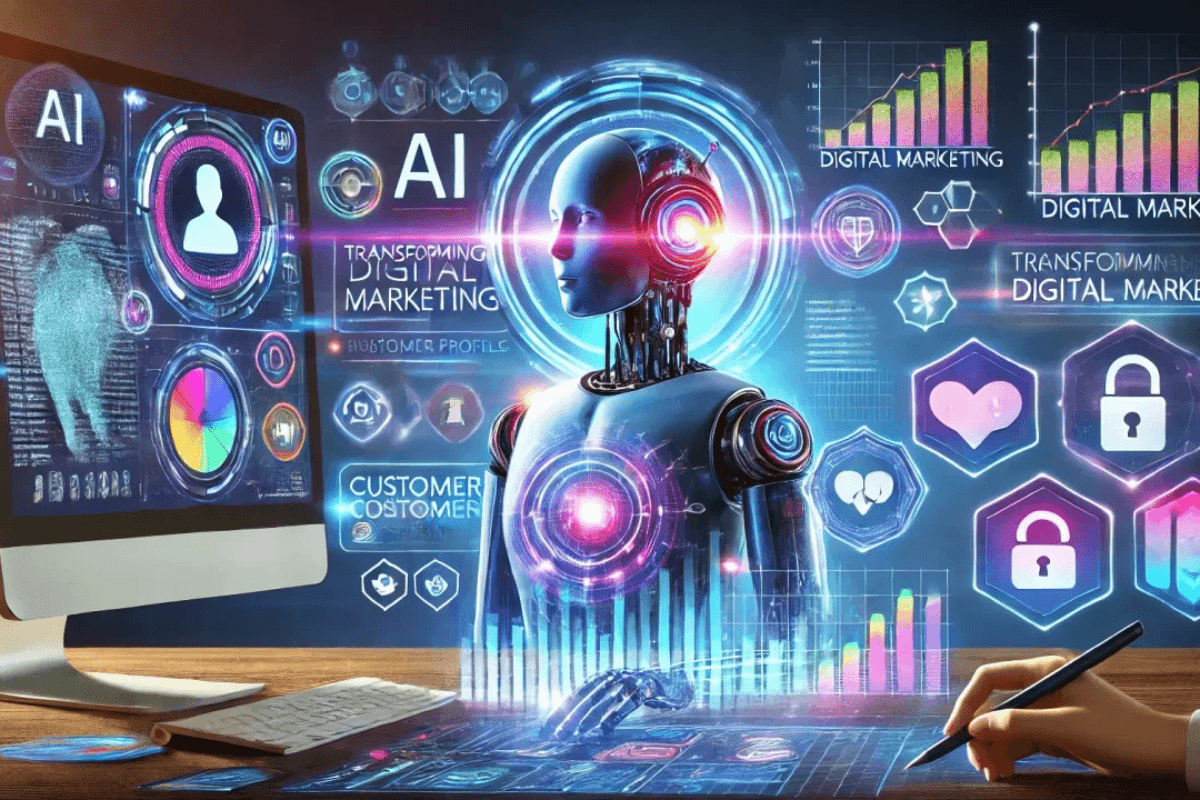
AI Mode is rapidly becoming a core feature in modern digital systems, redefining how humans interact with technology. From smartphones and search engines to business software and creative tools, AI Mode activates intelligent behavior that adapts to user needs in real time. Unlike traditional automation, AI Mode uses advanced machine learning, contextual awareness, and predictive analysis to deliver faster, smarter, and more personalized experiences.
As artificial intelligence continues to evolve, AI Mode is no longer a futuristic concept—it is a practical reality shaping daily digital interactions. This article explores what AI Mode is, how it works, its benefits, real-world use cases, and why it is becoming essential across industries.
What Is AI Mode?
AI Mode refers to a system setting or operational state where artificial intelligence capabilities are actively engaged to enhance functionality. When AI Mode is enabled, software or hardware can analyze data, learn from user behavior, and make intelligent decisions without constant manual input.
AI Mode is commonly found in:
- Smart devices and operating systems
- Search platforms and digital assistants
- Creative and productivity tools
- Business analytics and automation systems
The primary goal of AI Mode is to improve efficiency, accuracy, and user experience through adaptive intelligence.
How AI Mode Works
Data Collection and Analysis
AI Mode gathers data from user interactions, system inputs, and environmental factors. This data is analyzed in real time to understand patterns and preferences.
Machine Learning Integration
Machine learning models allow AI Mode to improve continuously. The more it is used, the better it predicts outcomes and optimizes responses.
Contextual Awareness
AI Mode understands context, such as location, time, usage behavior, and intent, enabling more relevant and timely actions.
Automated Decision-Making
Based on insights and predictions, AI Mode performs tasks automatically, reducing the need for manual control.
Key Features of AI Mode
Personalization
AI Mode customizes content, recommendations, and system behavior based on individual user preferences.
Real-Time Adaptability
AI Mode responds instantly to changes, making systems more responsive and intelligent.
Enhanced Productivity
By automating repetitive tasks, AI Mode allows users to focus on creative and strategic work.
Predictive Intelligence
AI Mode anticipates user needs before actions are taken, improving efficiency and satisfaction.
Benefits of Using AI Mode
Improved User Experience
AI Mode creates smoother and more intuitive interactions by adapting to user behavior.
Time and Cost Efficiency
Automation reduces operational costs and saves time for both individuals and organizations.
Higher Accuracy
AI-driven analysis minimizes human error in data processing and decision-making.
Scalability
AI Mode can handle large volumes of data and tasks without performance loss.
AI Mode in Different Industries
Technology and Software
AI Mode enhances operating systems, apps, and cloud platforms with smarter automation and insights.
Business and Marketing
Companies use AI Mode for customer segmentation, demand forecasting, and personalized marketing strategies.
Education
AI Mode supports adaptive learning, personalized content delivery, and automated assessments.
Healthcare
AI Mode assists in diagnostics, patient monitoring, and treatment recommendations.
Creative Industries
Designers and writers benefit from AI Mode through content suggestions, image generation, and workflow optimization.
AI Mode vs Traditional Automation
| Feature | AI Mode | Traditional Automation |
| Learning Ability | Self-learning | Rule-based |
| Personalization | High | Limited |
| Decision Making | Predictive | Predefined |
| Adaptability | Dynamic | Static |
| Scalability | High | Moderate |
This comparison highlights why AI Mode is considered a major advancement over traditional systems.
Challenges and Considerations
While AI Mode offers many advantages, responsible implementation is crucial. Key considerations include:
- Data privacy and security
- Ethical AI usage
- Transparency in decision-making
- Avoiding over-reliance on automation
Addressing these challenges ensures AI Mode remains beneficial and trustworthy.
Future of AI Mode
AI Mode is expected to become a default feature in most digital platforms. Future developments may include deeper emotional intelligence, improved creativity support, and stronger collaboration between humans and AI systems. As technology matures, AI Mode will play a central role in shaping smarter digital ecosystems.
Conclusion
AI Mode represents a powerful shift in how technology operates and interacts with users. By enabling intelligent automation, personalization, and predictive capabilities, AI Mode enhances productivity, creativity, and decision-making across industries. As adoption continues to grow, understanding and leveraging AI Mode will be essential for staying competitive in the digital age.
FAQs:
What is AI Mode in simple terms?
AI Mode activates intelligent features that allow systems to learn, adapt, and automate tasks.
Is AI Mode the same as artificial intelligence?
AI Mode is a practical application of artificial intelligence within systems and devices.
Can AI Mode improve productivity?
Yes, AI Mode automates repetitive tasks and provides smart insights to save time.
Is AI Mode safe to use?
AI Mode is safe when implemented with strong data privacy and ethical guidelines.
Will AI Mode replace human decision-making?
AI Mode supports human decisions but does not completely replace human judgment.
AI Mode Overview
| Aspect | Description |
| Core Function | Intelligent automation |
| Key Technology | Machine learning |
| Primary Benefit | Personalization |
| Use Cases | Business, education, healthcare |
| Future Scope | Advanced adaptive systems |